 March 14, 2026
The indigo alphabet: how adire patterns say what words don't
Every fold and bind in an adire cloth is a phrase. A guide to reading the language your wrap is written in.
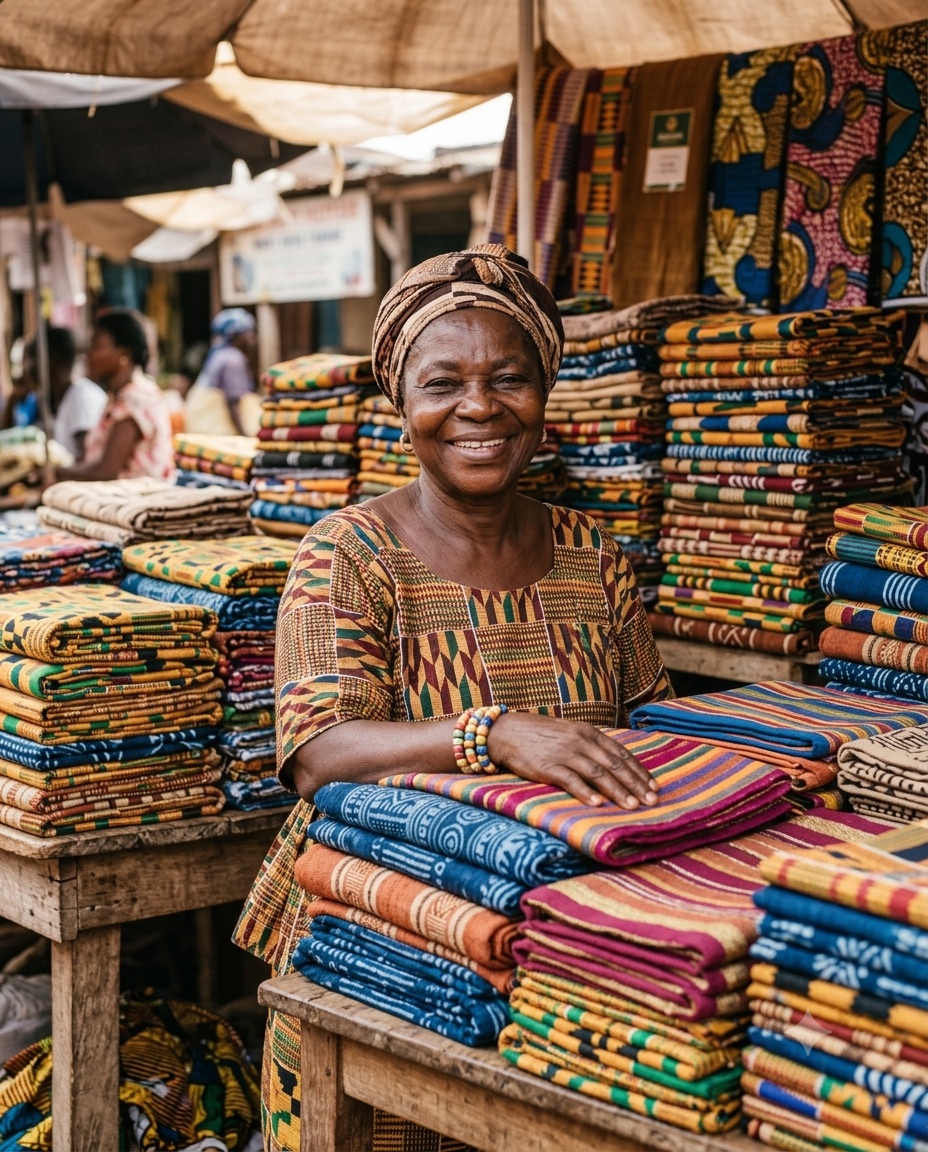
Read article →Adire from Abeokuta. Kente from Bonwire. Bogolan from San. Every piece in our collection is woven, dyed, and finished by named artisans — and priced so they profit first.
Each order names the artisan who made it
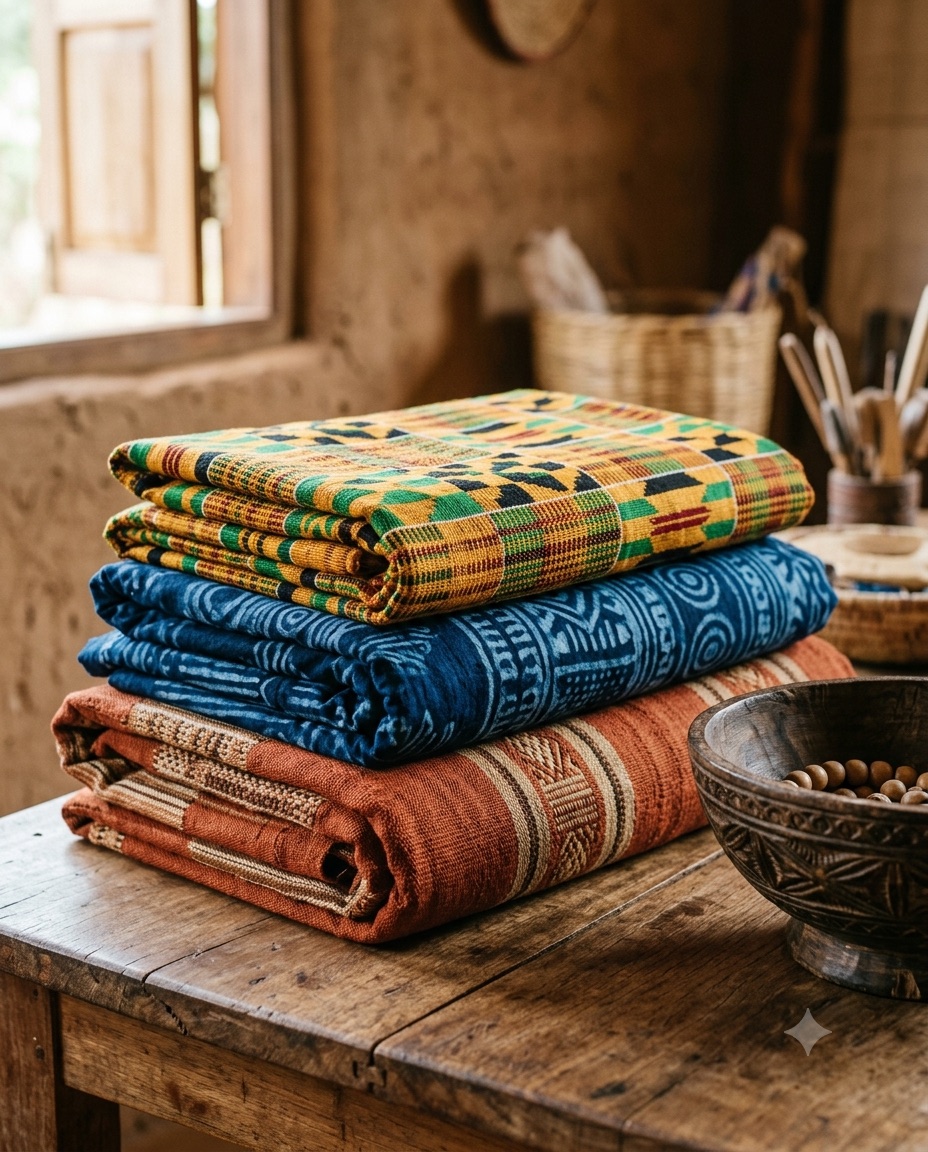
Small batches, released as the artisans finish them. When a run sells out, we wait for the loom — not the other way around.
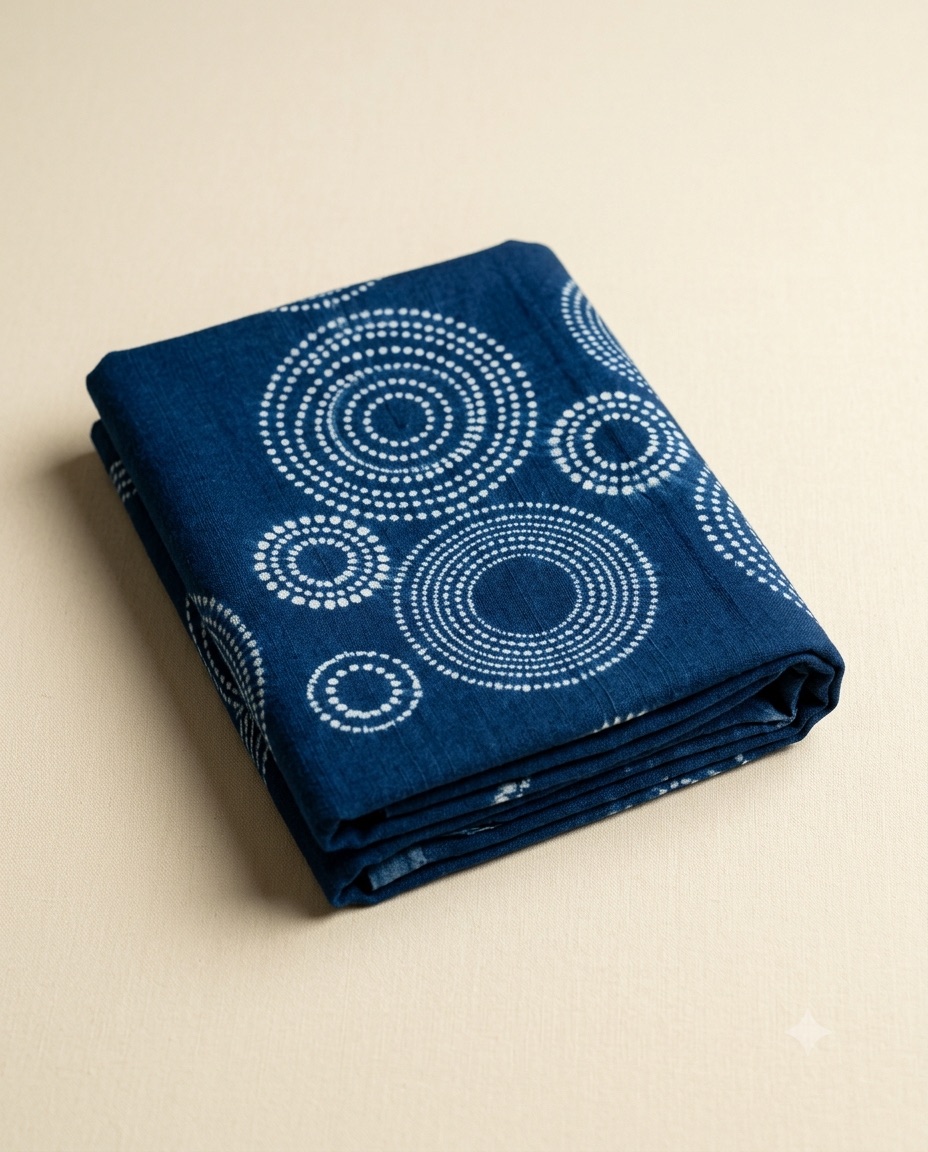
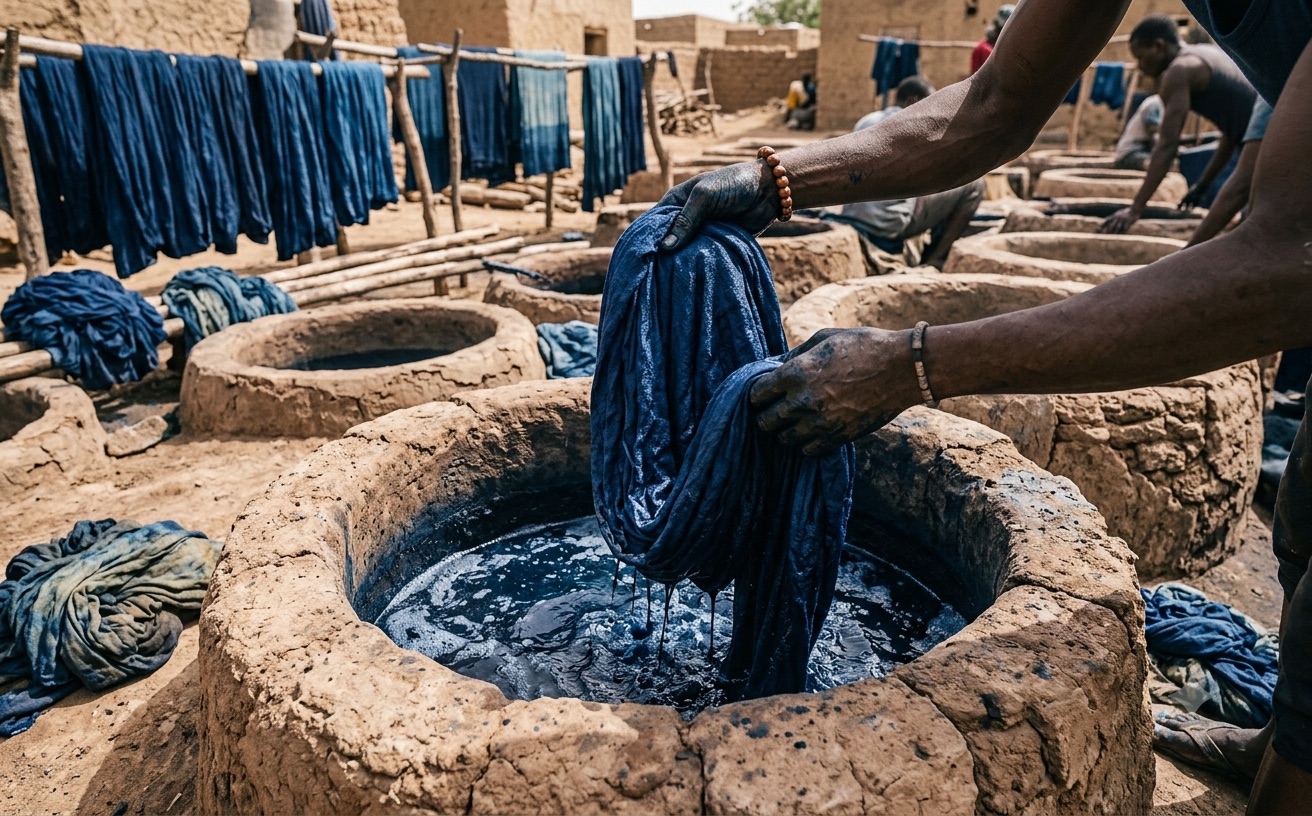
Hand-dyed resist cloth, folded and bound before each indigo bath.
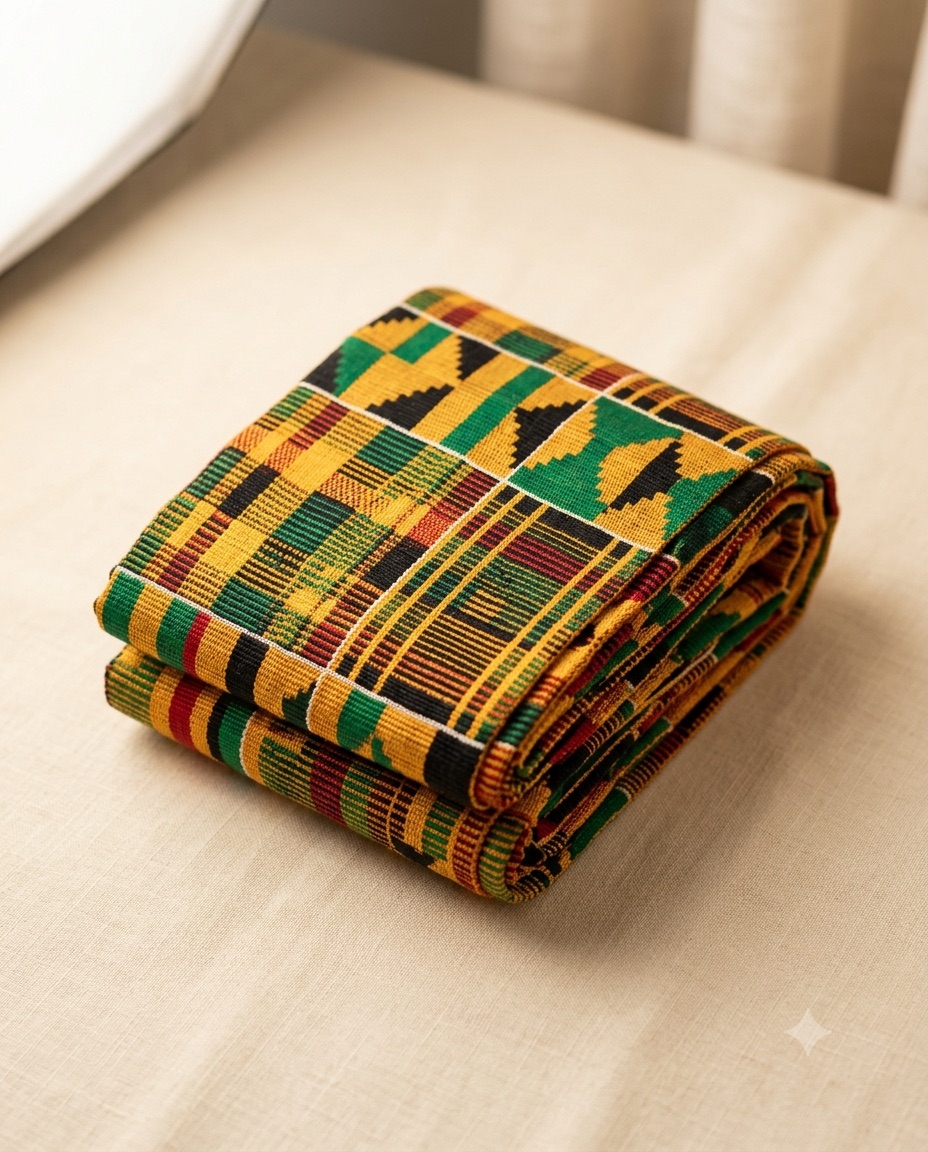
Strip-woven silk and cotton in a pattern reserved for milestones.
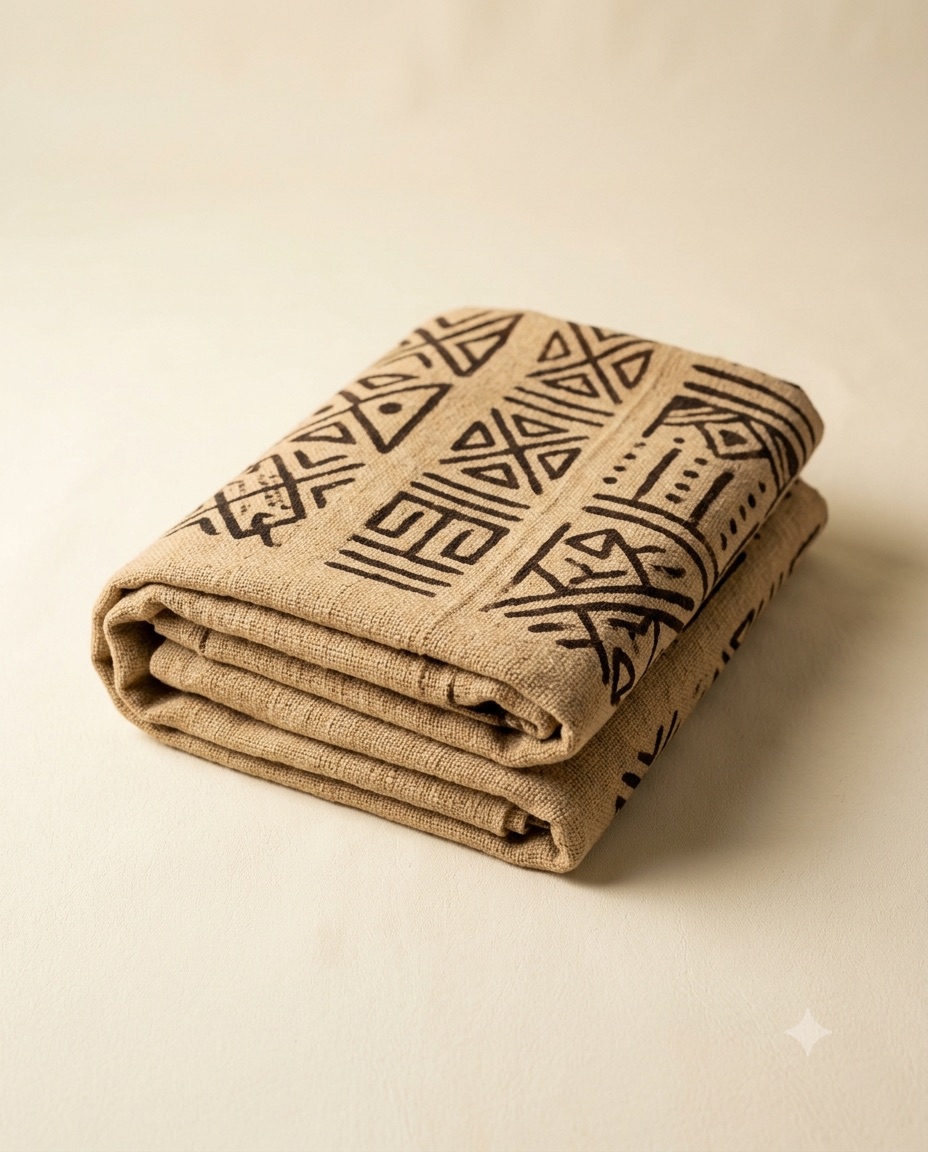
Fermented river-mud dye, painted symbol by symbol over weeks.
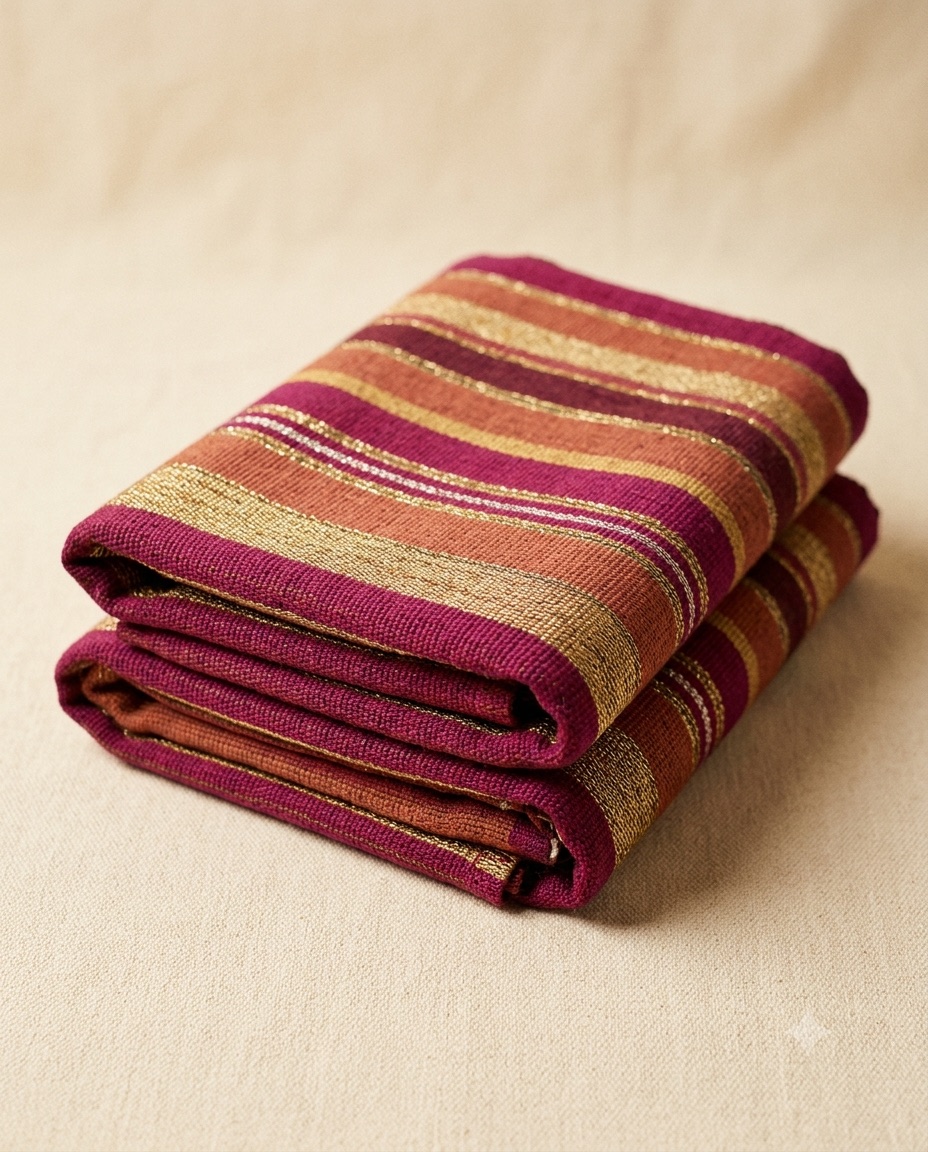
The cloth of celebrations, rewoven for the everyday table.
Mara Goods began when our founder took a visiting friend to her grandmother's adire stall — and watched a middleman buy the entire table's work for a tenth of what it would sell for abroad. The question that followed became a company: what if the people who made the cloth priced the cloth?
Today we work with weaving cooperatives across Nigeria, Ghana, and Mali. Artisans set their prices first; we add our margin on top, openly. Every piece ships with the maker's name, region, and technique on the label — because anonymous craft is how craft gets cheap.
— Damilola Mara, founder
Kente and aso oke are woven on narrow looms in strips barely a hand wide, then sewn edge to edge. A single stole is days of work; a full wrap is weeks.
Adire is bound, folded, and dipped in indigo up to ten times to reach full depth. Bogolan is painted with fermented mud, sun-cured, and washed — a month from start to finish.
Every finished piece is logged to its maker. The label on your cloth carries their name and cooperative — and they earn on every restock of their pattern.
March 14, 2026
Every fold and bind in an adire cloth is a phrase. A guide to reading the language your wrap is written in.
Read article →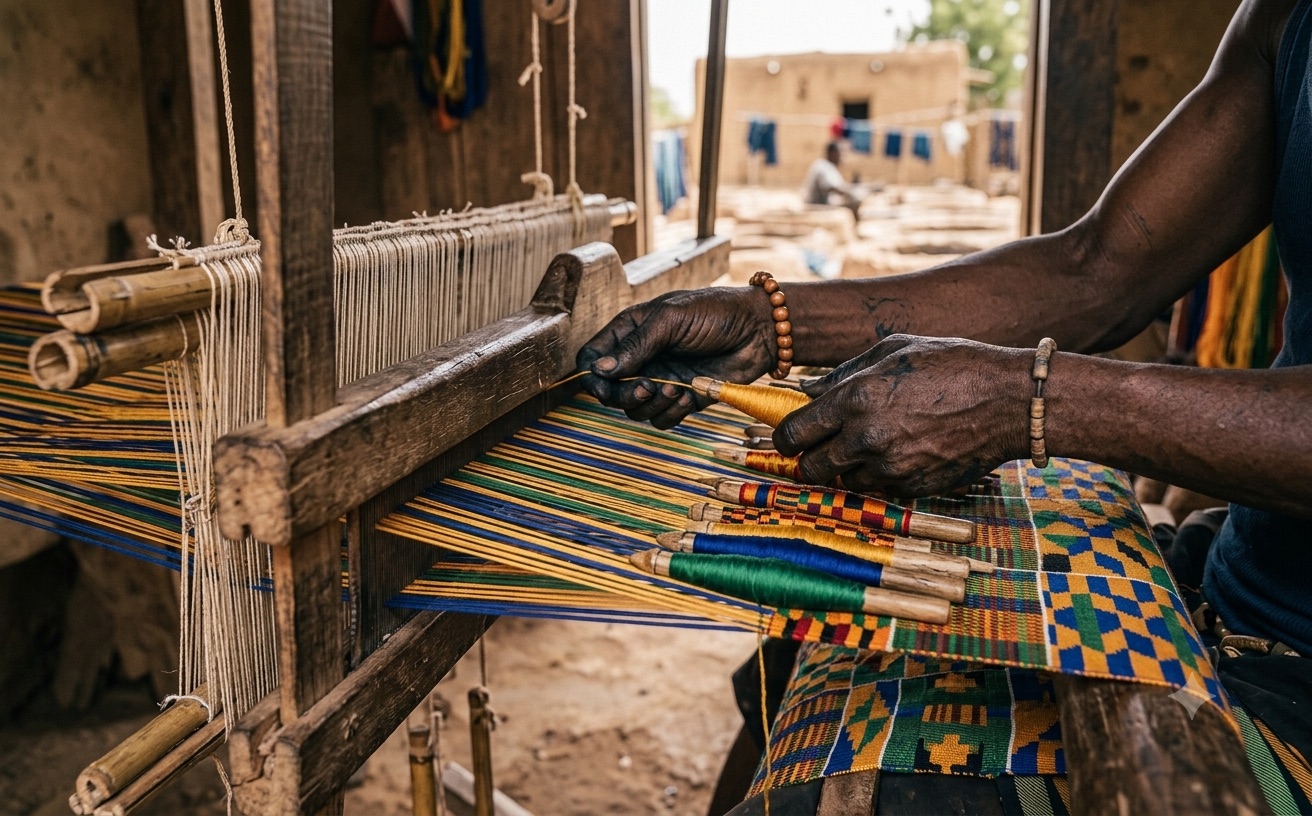 February 27, 2026
Four generations, one weaving shed, and the pattern that took Kwabena eleven days. Notes from our sourcing trip.
Read article →New releases land in small batches — members hear first. One email per drop, nothing else.